
Finding Connection as an Ethnic Minority Adult With Type 2 Diabetes

Introduction: Why Community Matters in Diabetes Management
Being diagnosed with Type 2 diabetes (T2D) can feel isolating especially in the early stages when everything is new, confusing, and overwhelming.
For many ethnic minority adults in the UK, this isolation can be even more intense. Cultural differences, generational gaps, and lifestyle changes can make it difficult to find relatable advice or support.
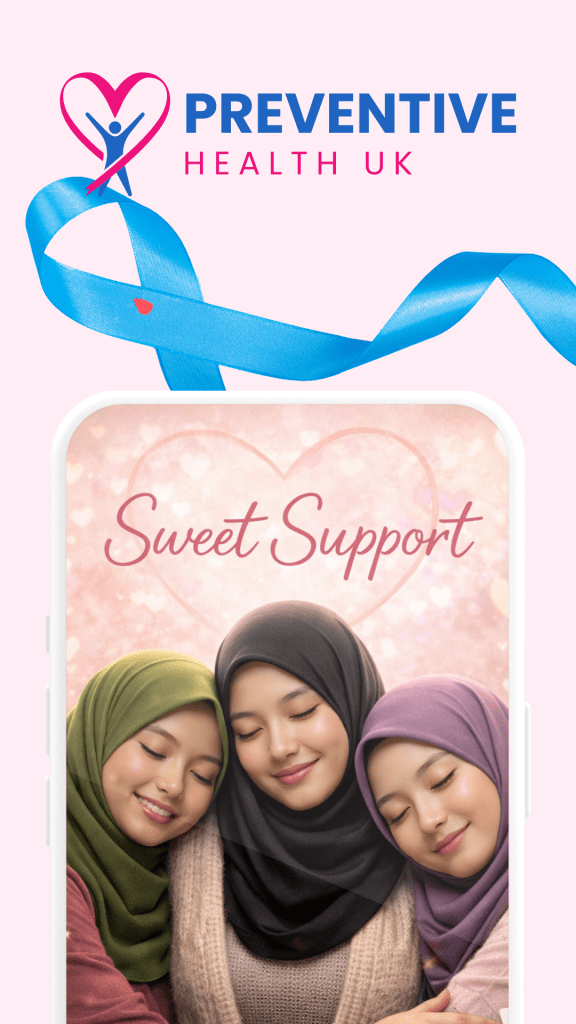
In today’s digital world, many people are turning to platforms like WhatsApp to build communities, share experiences, and support each other through health journeys.
This blog shares my personal experience of creating a WhatsApp diabetes support group, what I learned from it, and why community plays such a powerful role in managing Type 2 diabetes.
Feeling Alone After Diagnosis
At the beginning of my diagnosis, one of the strongest emotions I felt was:
Loneliness.
Even though both of my parents had Type 2 diabetes, I didn’t feel like I could turn to them for advice.
Not because they didn’t care but because our approaches to health were very different.
The Cultural Gap: Generational Differences in Diet and Health
As first-generation migrants, my parents’ approach to managing diabetes was shaped by:
- Traditional diets
- Cultural cooking methods
- Reliance on medication
Their meals were often:
- High in carbohydrates
- Moderate in protein
- Low in vegetables
- Cooked with generous amounts of oil
While this worked for them in their own way, I knew that I wanted to take a slightly different approach one that aligned with what I had learned over the years about nutrition and fitness.
My Past Lifestyle: I Knew What “Healthy” Looked Like
Before my diagnosis and especially before COVID I had a good routine.
I was:
- Following the plate method
- Exercising regularly
- Eating balanced meals
But when I moved to Manchester three years ago, life changed.
When Life Gets Busy: How Habits Slip
Like many people, I found myself caught up in:
- Work
- Responsibilities
- Daily stress
As a result:
- Exercise became less frequent
- Meal planning became inconsistent
- Convenience started to take over
Then came my dental issues, which made eating certain foods difficult.
This led to:
- More soft, processed foods
- Increased carbohydrate intake
- Less nutritional balance
Over time, these changes added up and eventually contributed to my diagnosis.
Realisation: I Had the Knowledge But Needed Support
After being diagnosed, I had a moment of clarity:
I already knew what I needed to do.
I understood:
- Balanced nutrition
- Exercise
- Portion control
But knowing something and doing it consistently are two very different things.
And more importantly: I didn’t want to do it alone.
The Idea: Creating a WhatsApp Community
I started thinking:
- There must be other people like me
- Similar age
- Newly diagnosed
- Trying to figure things out
So I decided to create a support group on WhatsApp.
The goal was simple:
Create a space where people could share, learn, and support each other.
The First Week: An Overwhelming Response
I wasn’t sure what to expect.
Maybe a few people would join.
Maybe it would take time to grow.
But what happened surprised me.
Within the first week:
So many people joined.
It was overwhelming but in a good way.
For the first time since my diagnosis, I felt like: I wasn’t alone anymore.
A Safe Space: Sharing and Connecting
The group quickly became a place where people could:
- Share their experiences
- Ask questions
- Talk about struggles
- Celebrate small wins
There was something powerful about connecting with people who understood exactly what you were going through.
No explanations needed.
No judgment.
Just shared experience.
The Reality Check: So Many People Affected
But alongside that sense of connection came another emotion:
Sadness.
Because I realised something:
Every single person in that group was affected by diabetes in some way.
- Some had Type 2 diabetes
- Some had other forms of diabetes
- Some were carers for loved ones
It made me reflect on how widespread this condition really is especially within ethnic minority communities.
Diabetes in Ethnic Minority Communities: A Growing Concern
Type 2 diabetes is significantly more common in many ethnic minority groups in the UK.
Factors include:
- Genetic predisposition
- Cultural dietary patterns
- Lifestyle changes
- Lack of early intervention
Seeing so many people in one group chat dealing with diabetes highlighted just how real this issue is.
The Power of Peer Support
Despite the sadness, there was also strength in the group.
Why Community Support Works
Being part of a group like this can:
- Increase motivation
- Provide accountability
- Offer practical tips
- Reduce feelings of isolation
Sometimes, hearing from someone who is going through the same thing can be more impactful than any medical advice.
Learning From Others
Within the group, people shared:
- Meal ideas
- Blood sugar experiences
- Exercise routines
- Medication journeys
This created a collective learning environment.
While not all advice should replace professional guidance, it helped provide:
Real-life context.
The Balance: Community vs Medical Advice
It’s important to understand that while platforms like WhatsApp are great for support, they shouldn’t replace professional healthcare.
Community Helps With:
- Emotional support
- Motivation
- Shared experiences
Healthcare Professionals Help With:
- Diagnosis
- Treatment plans
- Medication
- Clinical advice
The best approach is combining both.
My Personal Growth Through the Community
Being part of and creating that group helped me:
- Stay accountable
- Stay motivated
- Feel supported
- Learn continuously
It also gave me a sense of purpose.
Helping others, even in small ways, made my own journey feel more meaningful.
Practical Advice: Starting Your Own Support Group
If you’re newly diagnosed and feeling alone, creating or joining a community can make a huge difference.
Tips for Starting a WhatsApp Group:
- Keep It Focused
Define the purpose support, sharing, learning. - Set Boundaries
Make it clear that medical advice should come from professionals. - Encourage Positivity
Create a safe and supportive environment. - Share Responsibly
Avoid spreading misinformation.
Final Thoughts: You Don’t Have to Do This Alone
One of the biggest lessons from my journey is this:
Diabetes is easier to manage when you have support.
Whether it’s:
- Family
- Friends
- Healthcare professionals
- Or a simple WhatsApp group
Connection makes a difference.
Conclusion: Turning Isolation Into Community
What started as a moment of loneliness turned into something powerful.
- A community.
- A support system.
- A shared journey.
Yes, it was sad to see how many people are affected by diabetes.
But it was also inspiring to see how many people are:
Trying, learning, and supporting each other.
For ethnic minority adults navigating Type 2 diabetes, this sense of community can be the missing piece.
Because at the end of the day:
You don’t have to figure this out alone.


Leave a Reply